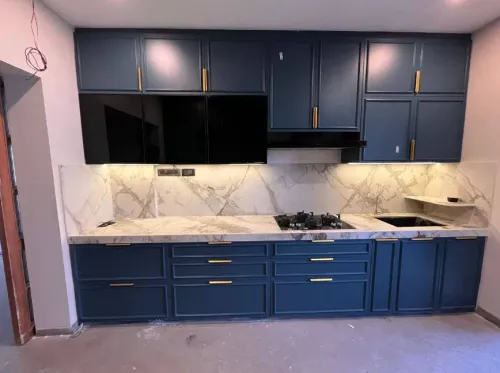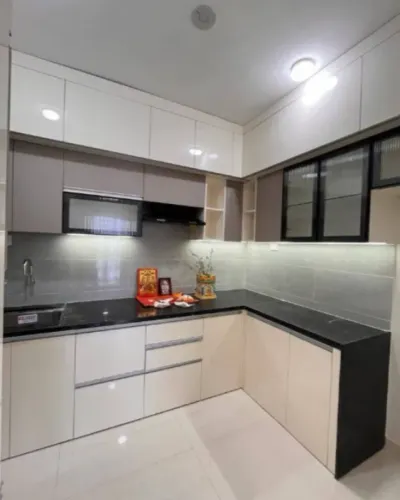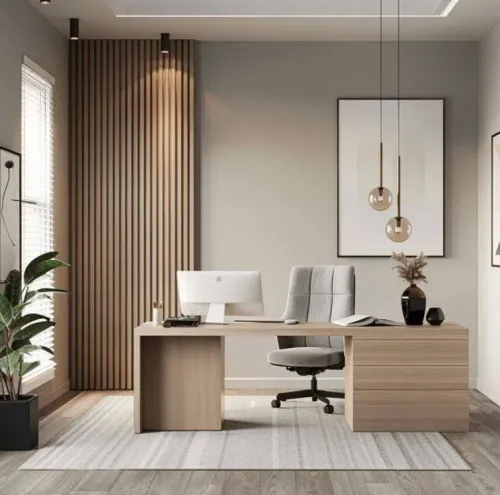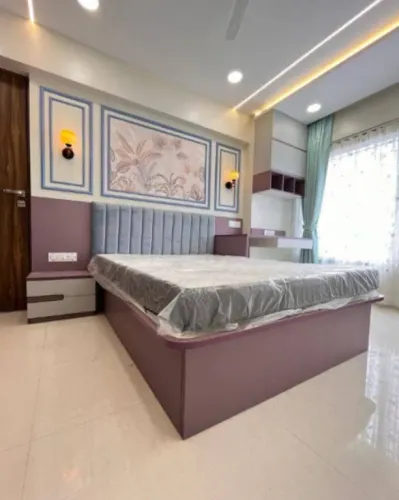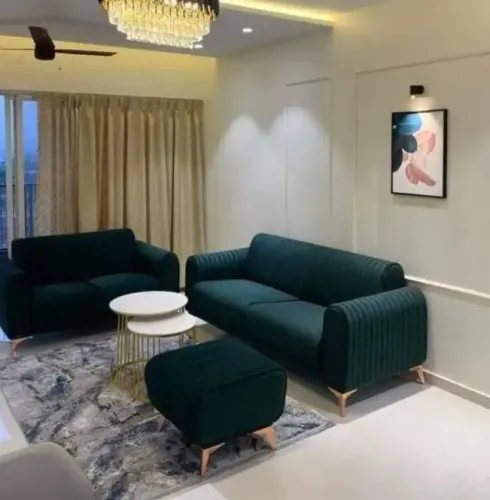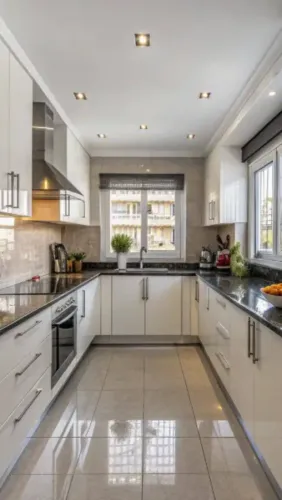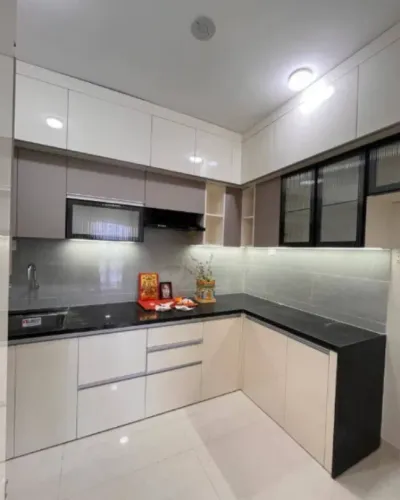
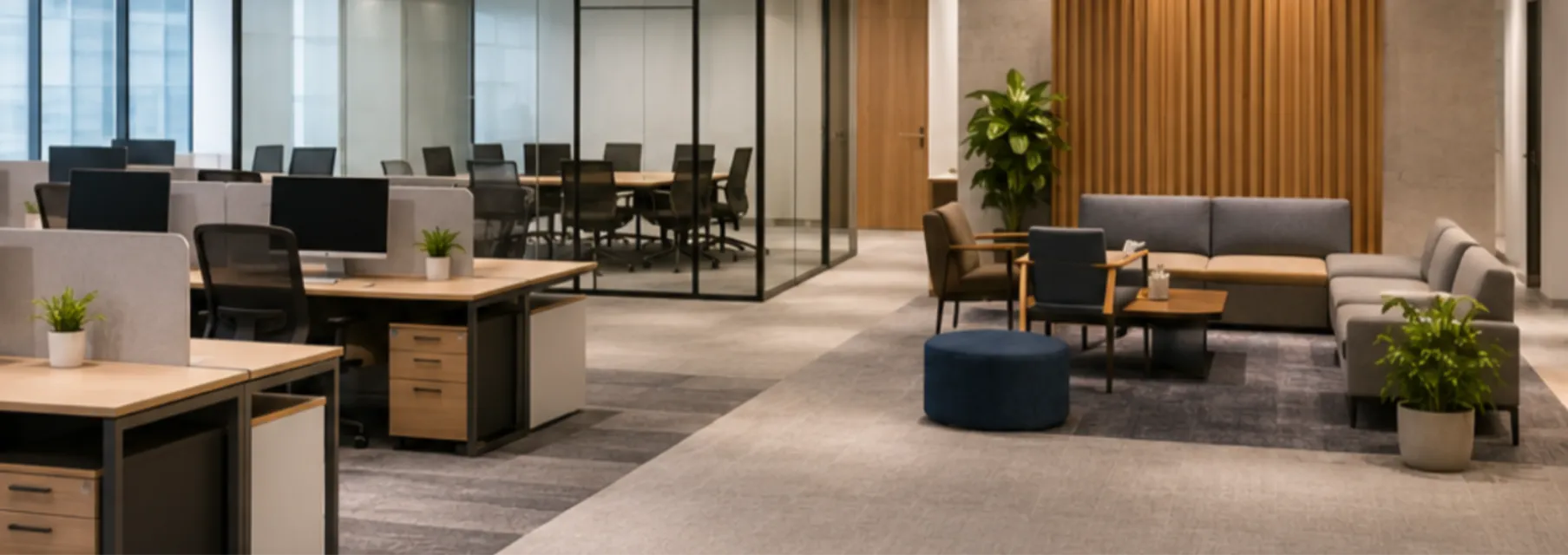
Commercial spaces need furniture that supports daily use, efficient movement, visual consistency, employee comfort, customer experience, plus long-term durability. This makes furniture planning an important part of office, retail, hospitality, institutional, showroom, clinic, plus corporate interior projects.
Businesses searching for commercial furniture manufacturers in Pune usually need more than standard desks, chairs, storage units, plus reception counters. They often need furniture planned around available floor area, work patterns, brand identity, electrical requirements, storage needs, plus expected usage.
Why Commercial Furniture Needs Careful Planning
Furniture used in a commercial environment usually experiences heavier daily use compared with furniture in many residential settings. Desks may be occupied throughout the working day, cabinets may be opened repeatedly, reception areas may receive continuous visitor traffic, plus meeting rooms may need flexible seating arrangements.
A practical commercial furniture plan should consider:
- Available floor dimensions
- Number of daily users
- Movement between work zones
- Storage requirements
- Electrical access
- Cable management
- Ergonomic requirements
- Cleaning convenience
- Future workspace changes
- Visual consistency
Taking these factors into account before production helps reduce layout problems after installation.
Space Utilisation Matters
Commercial property in Pune can vary significantly in size. A compact office may need workstations that make efficient use of limited floor area. A larger corporate facility may need separate departments, collaborative areas, meeting rooms, reception zones, plus executive cabins.
Custom furniture can make unusual corners, columns, wall sections, plus narrow spaces more useful.
For example, wall-mounted storage can reduce floor usage. Integrated workstation storage can limit the need for separate cabinets. Modular workstations can help create structured seating without making the office feel crowded.
Material Selection Affects Daily Performance
Commercial furniture should be selected with regular use in mind. Surface finish, board quality, hardware, edge treatment, hinges, drawer channels, plus supporting structures influence how furniture performs over time.
Selection should also reflect the type of business.
A customer-facing showroom may prioritise refined finishes. A high-activity office may place greater emphasis on easy maintenance. A clinic may need surfaces that are simple to clean. A retail environment may require display furniture suited to frequent product changes.
There is no single specification suitable for every commercial project.
Good Furniture Supports Better Workflow
Furniture placement influences how people move through a workspace.
Poorly positioned desks can obstruct walkways. Oversized cabinets can reduce usable floor area. Insufficient storage can lead to clutter across workstations. Inadequate cable planning can leave wires exposed across working areas.
A better approach begins with understanding daily activity.
Which teams interact frequently? Where are printers used? Which employees need private storage? How frequently are meeting spaces occupied? Which areas receive customers?
Answers to such questions help shape practical furniture layouts.
Modular Designs Can Support Future Changes
Businesses rarely remain completely unchanged. Teams expand, departments move, working patterns evolve, plus technology requirements change.
Modular commercial furniture can make some future modifications easier because individual elements may be reconfigured according to available space.
This can be useful for growing companies across Pune, Maharashtra, especially businesses that expect workspace changes over time.
What Should Businesses Discuss With a Manufacturer?
Before furniture production begins, businesses should communicate clear project requirements.
Useful details include room dimensions, number of users, storage expectations, preferred finishes, equipment placement, electrical points, approximate project timeline, plus intended interior style.
Site measurements are especially important for customized furniture because small dimensional differences can affect installation.
Businesses can also request clarity regarding materials, hardware, production process, installation scope, plus maintenance requirements before finalising specifications.
Commercial furniture works best when it is treated as part of workspace planning rather than as a collection of individual products. Pune businesses planning new offices, renovations, retail interiors, institutional spaces, plus other commercial environments can benefit from furniture designed around actual daily use.
Furniterio works within the modular furniture segment in Pune, providing a relevant option for businesses exploring customized commercial furniture based on specific project requirements.
Keywords