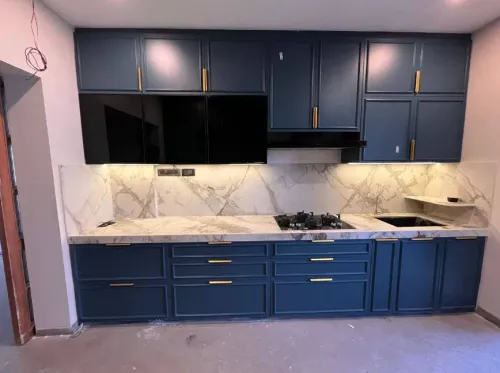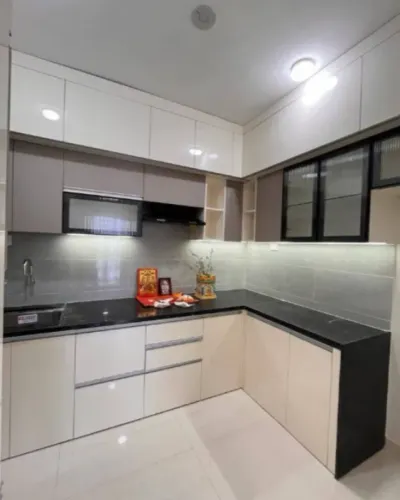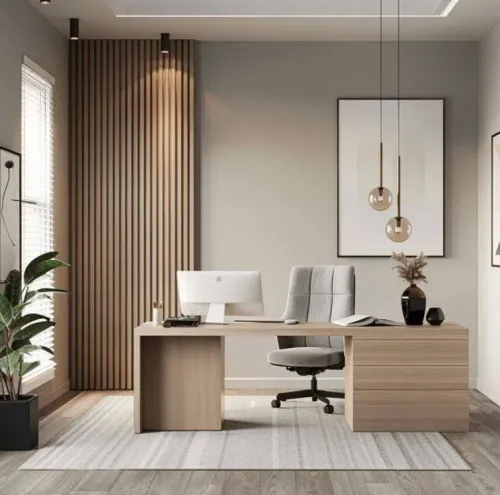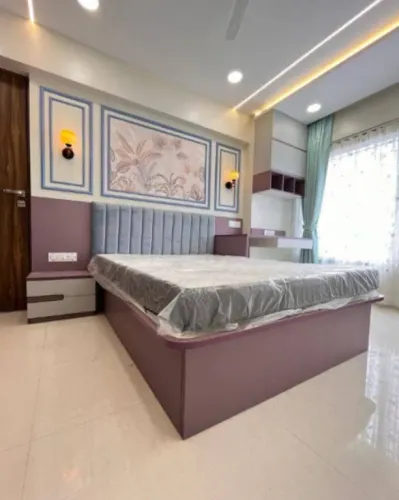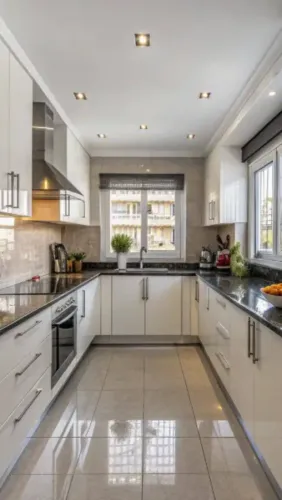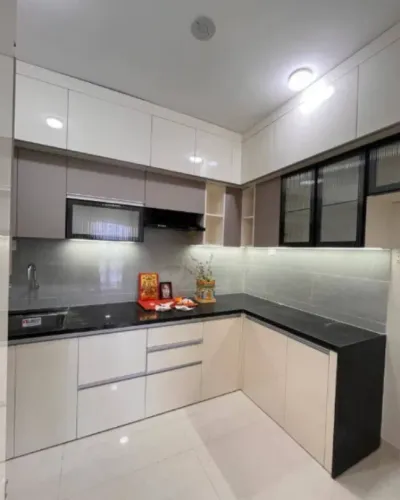
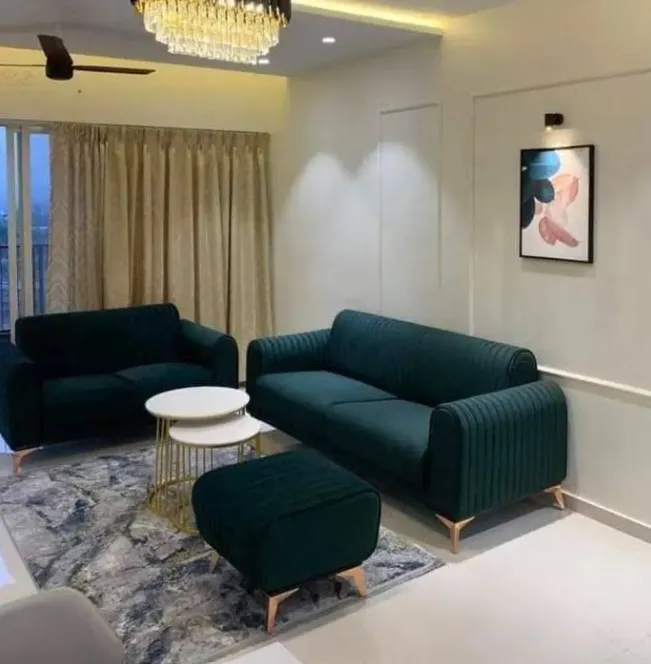
Customized modular furniture can help homeowners plus businesses use available space more effectively. The challenge lies in evaluating quality before the furniture is fully manufactured.
Customers searching for a modular furniture manufacturer in Pune should examine design capability, materials, hardware, measurement process, production clarity, plus installation planning rather than relying entirely on visual samples.
Check Whether the Design Reflects Your Space
Customized furniture should respond to actual dimensions.
A manufacturer should understand wall lengths, ceiling heights, columns, electrical points, windows, doors, skirting, plus other site conditions before final production.
Generic dimensions may fail to use available space efficiently.
Ask how site measurements are recorded plus how dimensional changes during renovation are handled.
Review Material Specifications
Customers often receive a broad description of furniture material without understanding individual components.
Request clarity regarding:
- Core material
- Surface finish
- Edge treatment
- Back panels
- Hardware
- Drawer channels
- Hinges
- Internal finishes
- Handles
- Supporting components
This helps create a clearer understanding of what is actually included.
Evaluate Hardware Based on Usage
Hardware quality becomes especially important in furniture used several times every day.
Kitchen drawers, wardrobes, office storage, TV units, plus frequently accessed cabinets rely heavily on hinges plus channels.
Ask how selected hardware suits the expected usage.
Premium mechanisms can be useful in high-use applications, while simpler systems may be adequate for storage accessed less frequently.
Look at Functional Design
Good modular furniture should solve practical problems.
A wardrobe should provide suitable hanging space, shelves, drawers, plus accessible storage based on the user's belongings. A TV unit should consider device placement plus cable management. Office furniture should accommodate work equipment plus employee movement.
Design should therefore begin with usage rather than decorative appearance alone.
Examine Finish Samples Carefully
Colours can appear different under changing light conditions.
Review finish samples under lighting similar to the intended room where possible. Consider how the selected surface coordinates with flooring, walls, upholstery, plus nearby furniture.
Texture also matters because highly reflective surfaces create a different visual effect compared with matte finishes.
Discuss Installation Before Production
Installation is a critical stage of modular furniture work.
Customers should understand what preparation is required at the site, how furniture will be brought into the property, plus how existing electrical fixtures, flooring, ceilings, plus walls may affect installation.
In occupied Pune homes, installation planning can also reduce disruption.
Ask About Customization Limits
The term customized furniture can mean different things.
Clarify which dimensions, finishes, internal layouts, accessories, plus configurations can be modified.
This is particularly important for unusual room shapes, compact apartments, commercial spaces, plus renovation projects.
Consider Future Usability
Furniture should suit present requirements while allowing reasonable flexibility.
A child's study area may need greater storage later. An office team may expand. A wardrobe may need adjustable shelving. Entertainment equipment may change.
Not every furniture item needs to be completely reconfigurable, but future use should be considered during planning.
Evaluate Communication Quality
Furniture projects involve multiple decisions before installation.
Clear documentation of dimensions, finishes, specifications, plus scope can reduce misunderstandings.
Customers should feel comfortable asking practical questions before approving the design.
Furniterio operates in Pune's modular furniture segment, serving customized furniture requirements across residential plus commercial applications.
Selecting a manufacturer becomes easier when evaluation moves beyond showroom appearance. Clear specifications, accurate measurements, functional planning, suitable materials, plus coordinated installation provide a stronger basis for judging whether modular furniture is appropriate for the intended space.
Keywords