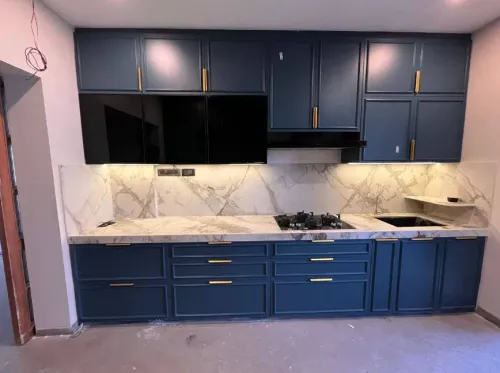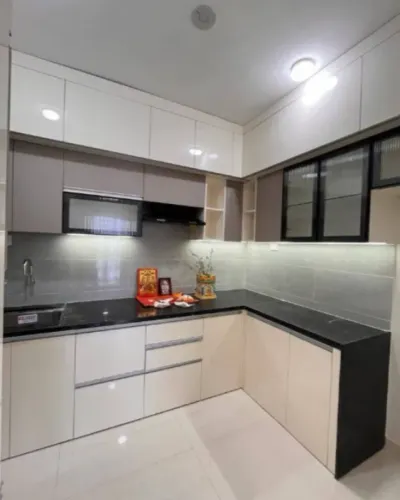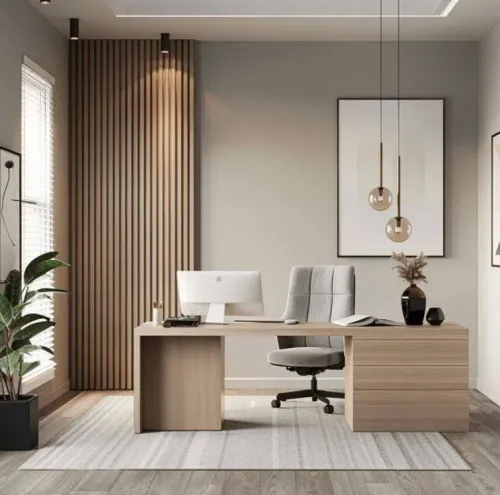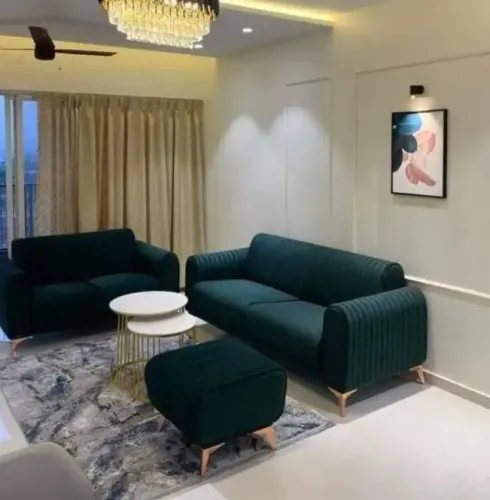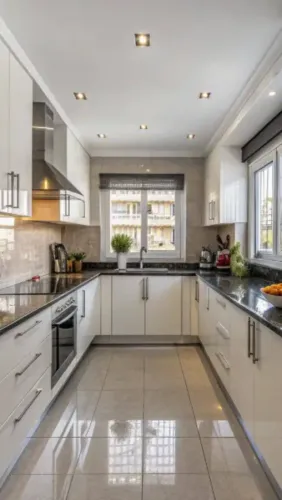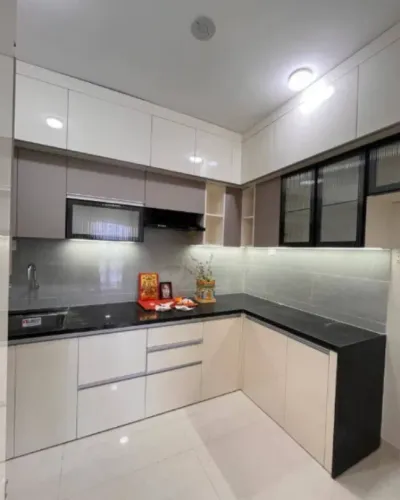
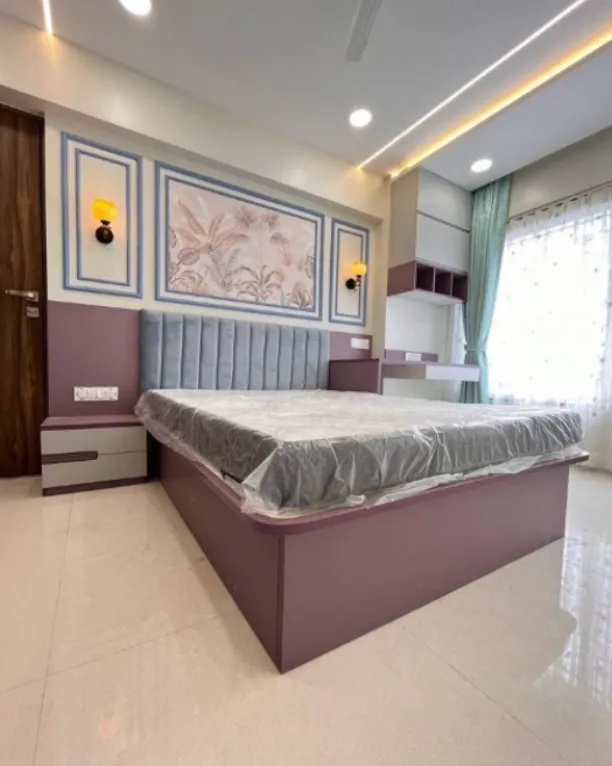
Custom furniture gives property owners greater control over dimensions, storage, finishes, plus layout. It can also involve more decisions than buying ready-made pieces.
Customers evaluating furniture manufacturers in Pune can avoid several common problems by preparing requirements carefully before approving production.
Mistake 1: Starting With Appearance Before Measurements
Furniture inspiration usually begins with photographs, catalogues, plus sample displays.
The problem appears when a preferred design does not suit the actual room.
Before finalising any major furniture piece, accurate dimensions should be available. Door movement, window positions, electrical sockets, skirting, ceiling details, plus circulation space need attention.
Measurements establish what is practical.
Mistake 2: Ignoring Everyday Usage
Furniture should be designed around what will be stored plus how frequently it will be used.
A wardrobe with attractive shutters may still be inconvenient if hanging space is insufficient. A TV unit may look clean but become cluttered if device cables have no planned route. An office workstation may feel cramped if equipment dimensions were not considered.
Create a simple list of daily requirements before discussing design.
Mistake 3: Choosing Materials Only by Appearance
Surface finish is only one part of furniture construction.
Customers should understand the core material, edge treatment, hardware, internal finish, plus supporting components.
Material selection should also reflect where the furniture will be used.
Kitchen furniture faces different conditions compared with bedroom storage. Commercial furniture may experience heavier daily use compared with furniture in a guest room.
Mistake 4: Filling Every Empty Space
Customization makes it possible to build storage across almost any wall.
That does not mean every wall should contain furniture.
Rooms need breathing space. Excessive cabinets can make smaller interiors feel enclosed while reducing movement.
Storage planning should focus on actual requirements.
Mistake 5: Forgetting Electrical Requirements
Electrical planning frequently intersects with furniture.
TV units need sockets plus cable routes. Study tables may need laptop charging points. Office workstations require power access. Kitchen units interact with multiple appliances.
Furniture drawings should therefore consider electrical positions before manufacturing begins.
Mistake 6: Approving Colours Without Reviewing Samples
Digital screens do not always reproduce material colours accurately.
Lighting conditions also affect appearance.
A dark finish that looks balanced in a large showroom may feel visually heavy in a compact bedroom. Gloss surfaces can create stronger reflections near windows.
Physical samples provide better context before final selection.
Mistake 7: Overlooking Installation Conditions
Furniture must eventually reach the room where it will be installed.
Lift dimensions, staircase access, doorway width, existing flooring, wall conditions, plus occupied spaces can influence installation planning.
This is particularly relevant in apartment projects across Pune, Maharashtra.
Mistake 8: Following Trends Too Closely
Trends can provide useful inspiration, but custom furniture is usually expected to remain in place for years.
Highly specific decorative treatments can become dated sooner than adaptable designs.
A balanced approach can combine relatively timeless major furniture elements with decorative features that are easier to update later.
Mistake 9: Leaving Storage Decisions Until Late
Internal configuration should be considered early.
The number of shelves, drawer depths, hanging sections, appliance spaces, plus accessory requirements can influence overall dimensions.
Late changes may affect the original design.
Furniterio works with modular furniture requirements in Pune across multiple residential plus commercial applications.
Custom furniture becomes more successful when decisions are based on dimensions, daily routines, storage needs, materials, plus site realities. Taking time during the planning stage can prevent compromises that become difficult to correct after production.
Keywords